

Mold Removal Boston Pros
Mold Removal in Boston, Massachusetts
Found mold, smelled it, or been told you have it? Call (617) 928-8038 and talk it through with a person. We help owners of homes, apartments and buildings in Boston and nearby Roslindale, Mattapan, West Roxbury, Dedham and Milton.
- Monday to Saturday 8am to 7pm
- [email protected]
Mold spreads while you wait. A short call can set the plan.
Call (617) 928-8038Start with one call
What to tell us when you call about mold
You do not need a report or a diagnosis. Most owners start with a smell, a stain or a damp wall, and that is enough. A short conversation lets us understand the situation and point you to the right service.
Having a few details ready makes the call quick and useful:
- Where the mold or musty smell is, such as a basement, attic, bathroom or vent.
- Roughly how large the affected area looks.
- Any water event behind it, like a leak, flood, storm or sewage backup.
- How long you have noticed it, and whether it has grown.
- Whether you own, rent or manage the building.
Photographs help, and you are welcome to email them to [email protected] after the call.
Call (617) 928-8038
Services
Mold removal services for Boston properties
Mold is rarely one problem. It might be dark growth on a basement joist, a musty ceiling in an attic, or a flooded floor that needs careful drying. Each service below has its own page that explains the problem, what the work covers and how it proceeds, so you can see the shape of the job before you call.
Explore services for several common mold concerns. The full catalog has thirty, including crawl spaces, HVAC systems, drywall, carpet and containment methods.
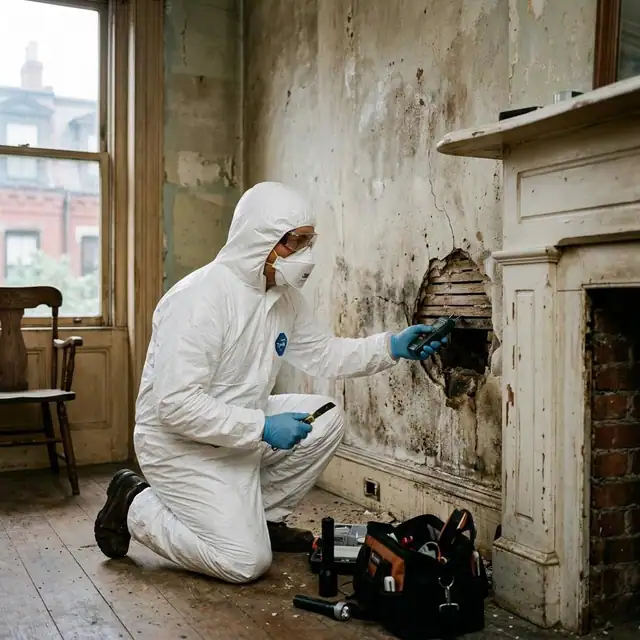
Mold Remediation
The full sequence for visible or suspected mold: find the moisture, contain the area, remove growth, clean and dry.
Read about Mold Remediation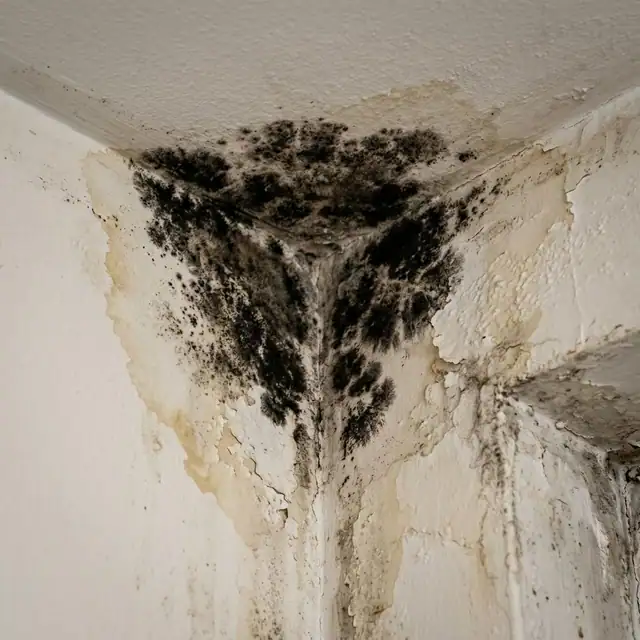
Black Mold Removal
Careful handling of dark, slimy growth on walls, ceilings and framing, with protection for you and the rest of the house.
Read about Black Mold Removal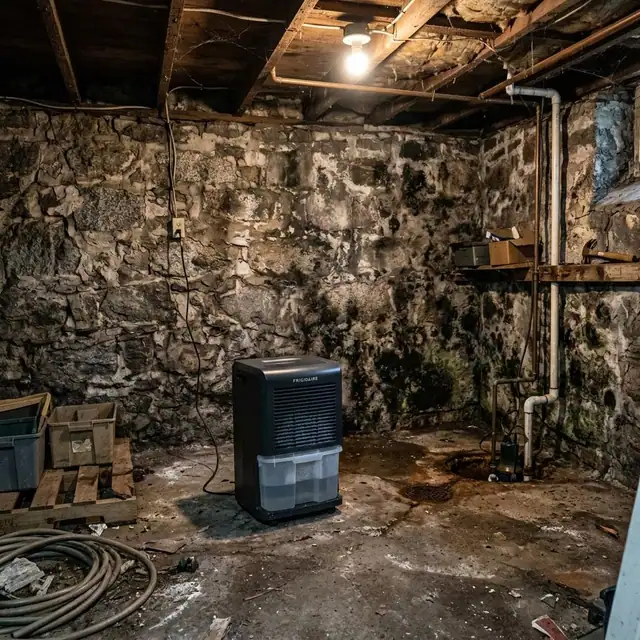
Basement Mold Remediation
Mold on foundation walls, stored belongings and finished basement spaces, plus the dampness behind it.
Read about Basement Mold Remediation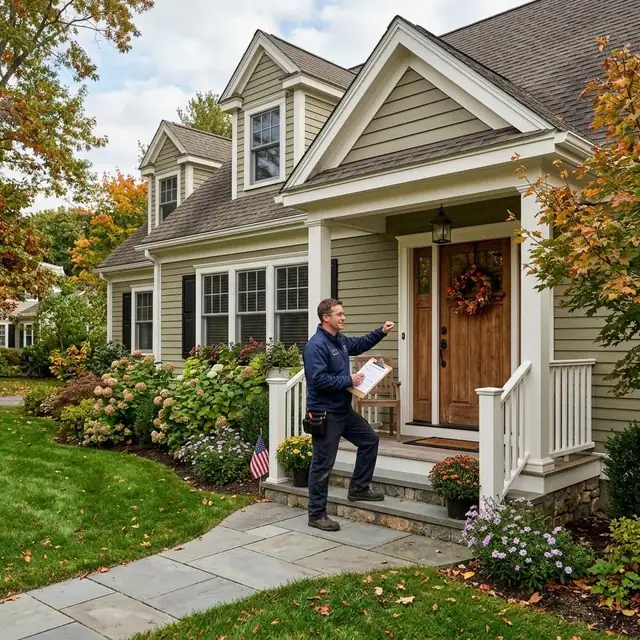
Residential Mold Remediation
Mold work for single family homes, condos and apartments, planned around people living in the space.
Read about Residential Mold Remediation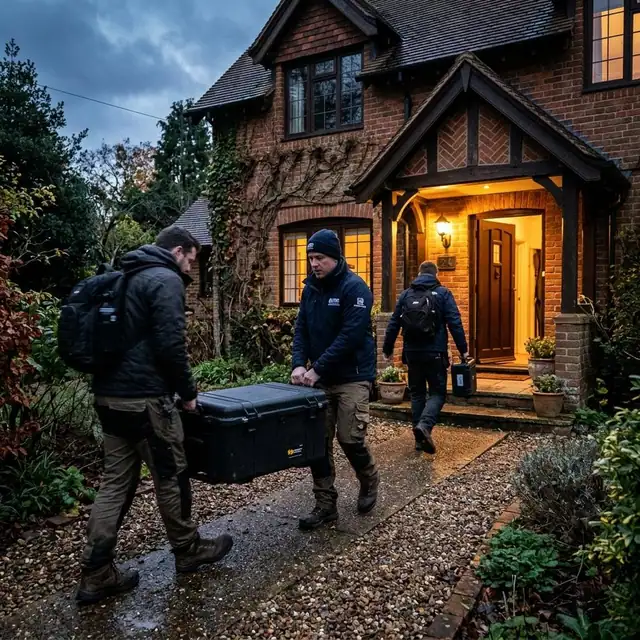
Emergency Mold Remediation
Urgent help when mold is spreading fast after a leak or water event and you need a direct call to get started.
Read about Emergency Mold Remediation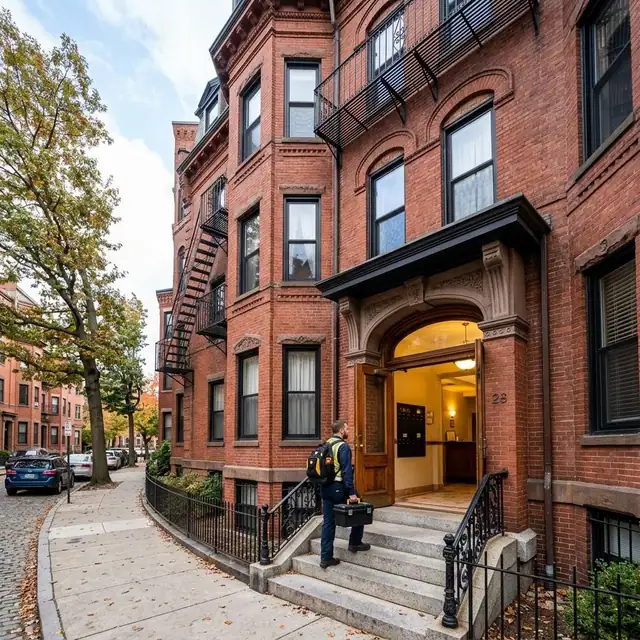
Multifamily Mold Remediation
Mold work in triple deckers, condos and apartment buildings where one leak can reach several households.
Read about Multifamily Mold Remediation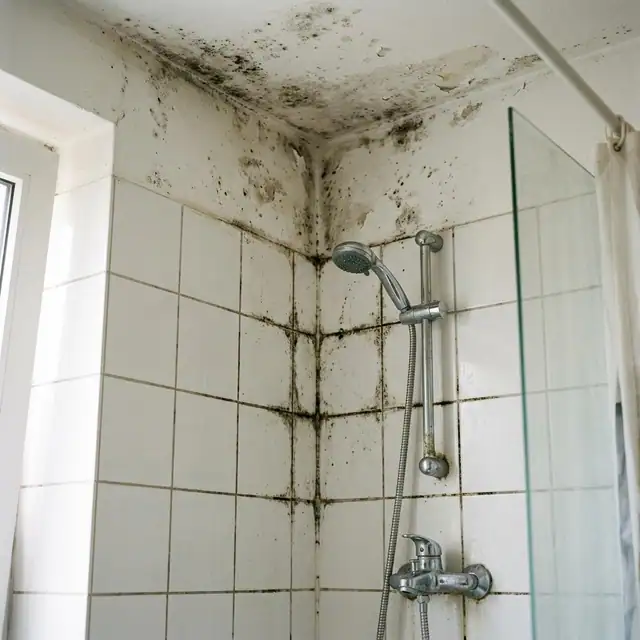
Bathroom Mold Remediation
Mold on ceilings, grout, caulk and behind tile or fixtures, where steam and slow leaks keep surfaces wet.
Read about Bathroom Mold Remediation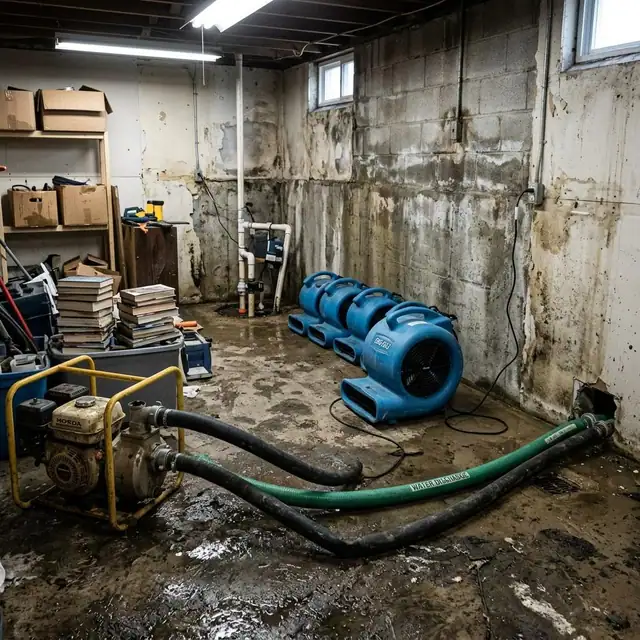
Post Flood Mold Remediation
Mold control after floodwater has soaked floors, walls and belongings, from sorting salvage to drying out.
Read about Post Flood Mold Remediation


Why Boston
How older Boston buildings end up with mold
Boston housing is old, dense and often divided into several households. Boston.gov notes that colonial homes in Roslindale have been converted to condos, and that kind of conversion is a good picture of the area: older structures with shared walls, shared pipes and moisture that travels between units.
Stone and brick foundations pull groundwater inward. Winter keeps windows shut and indoor humidity high. Ice dams and coastal storms push water under roofs and around windows. Any of these can leave wet insulation or damp framing that nobody sees until a smell shows up.
EPA guidance on mold makes a point that shapes every job we describe: controlling moisture is the key to controlling mold. It also notes that porous materials such as ceiling tile and carpet may need to be discarded when growth is extensive, while hard surfaces can usually be cleaned. We follow that logic. Find the water, contain the work, remove what cannot be cleaned, then dry.
The sequence
What a careful mold job looks like from start to finish
Every property is different, but the order of work is consistent. Skipping steps is how mold comes back. Here is the sequence our service pages describe, in plain terms.
Call and describe
You tell us where the mold is and what water may be behind it. We explain which service fits and what the work usually involves.
Find and stop the moisture
Leaks, condensation and drainage problems are identified, because cleaning without fixing the source only buys time.
Contain the work area
Barriers and filtered air keep disturbed spores from traveling into rooms that are clean.
Remove and clean
Porous materials with heavy growth come out. Solid surfaces are cleaned with HEPA vacuums and damp wiping.
Dry and review
The structure is dried and reviewed before repairs close anything up, so new drywall does not meet old dampness.
Property types
Help matched to the kind of building you own or manage
A triple decker with three households needs different planning than a warehouse or a school. These pages explain how the work changes for each kind of property.
- Homes and condos
Single family houses, condos and apartments, planned around the people who live there. - Triple deckers and apartment buildings
Shared walls, shared pipes and neighbors who need to stay protected. - Offices, shops and restaurants
Phased work that limits lost access for staff and customers. - Older brick, plaster and timber
Gentle methods for materials that are hard to replace. - Schools
Scheduling around classes, with careful containment. - Clinics and care settings
Strict containment and air control for sensitive occupants. - Warehouses and workshops
Large volume buildings where scale shapes the plan.
Where we help
Boston and the neighborhoods and towns beside it
We take mold calls for properties in Boston, Massachusetts and for these nearby areas. The Service Areas page has a map and more about local conditions.
- Roslindale
- Mattapan
- West Roxbury
- Dedham
- Milton
Quick answers
Common questions from Boston property owners
How do I know if I have mold?
Common signs are a musty smell, dark or fuzzy patches on walls, ceilings or framing, peeling paint, and areas that stay damp. If you can see growth or smell it repeatedly, it is worth a call.
What are your phone hours?
Calls are taken Monday to Saturday from 8am to 7pm at (617) 928-8038. You can also email [email protected] at any time and we will respond during business hours.
What does mold removal cost?
The cost depends on the size of the area, the materials affected and the moisture source. Call and describe your situation to discuss the scope of work for your property.
Can I remove mold myself?
A small patch of surface mold on a hard, nonporous surface can often be cleaned by an owner using basic protection. Growth on drywall, carpet or framing, or mold covering a larger area, is better handled with containment and professional equipment.
Call now
Talk to a person about your mold problem
Describe where the mold is, how large it looks and what water might be behind it. A direct call is the fastest way to get a clear next step.